The Top 15 World Cup 2026 Qualifiers by Gold Reserves
| Rank | Country | Gold (tonnes) | % of reserves | Group |
|---|---|---|---|---|
| 1 | 🇺🇸 United States | 8,133 | 77.5% | Host |
| 2 | 🇩🇪 Germany | 3,352 | 67.8% | Group C |
| 3 | 🇮🇹 Italy | 2,452 | 65.4% | Group D |
| 4 | 🇫🇷 France | 2,437 | 60.7% | Group E |
| 5 | 🇨🇳 China | 2,280 | 4.8% | Group F |
| 6 | 🇨🇭 Switzerland | 1,040 | 8.5% | Group B |
| 7 | 🇯🇵 Japan | 846 | 4.9% | Group G |
| 8 | 🇳🇱 Netherlands | 612 | 55.1% | Group H |
| 9 | 🇵🇹 Portugal | 383 | 61.7% | Group A |
| 10 | 🇸🇦 Saudi Arabia | 323 | 3.3% | Group A |
| 11 | 🇦🇷 Argentina | 80 | 5.6% | Group C |
| 12 | 🇲🇽 Mexico | 120 | 3.6% | Host |
| 13 | 🇧🇷 Brazil | 130 | 2.5% | Group B |
| 14 | 🇬🇧 England | 310 | 8.4% | Group E |
| 15 | 🇨🇦 Canada | 0 | 0% | Host |
The Three Host Nations: A Study in Contrasts
The 2026 World Cup is jointly hosted by the United States, Canada, and Mexico — three nations whose relationship with gold could not be more different.
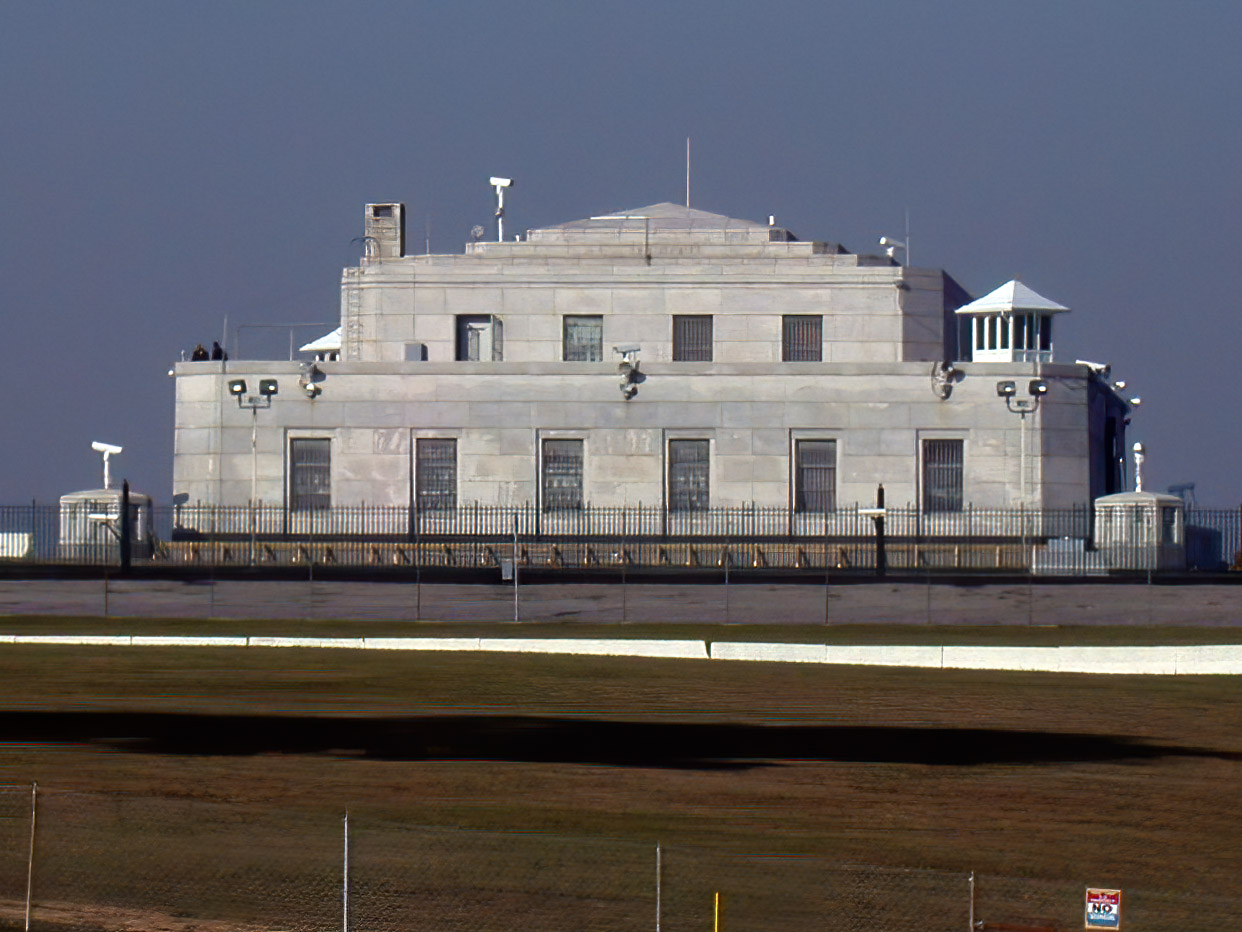
The United States holds 8,133 tonnes of gold across Fort Knox (Kentucky), West Point (New York), and the Federal Reserve Bank of New York vault. This represents 77.5% of total US foreign reserves — by far the highest gold concentration of any major economy. The US gold reserve is the physical embodiment of dollar hegemony: the reason the world trusted the dollar for 70 years was that it was backed by Fort Knox.
Canada, by contrast, holds zero gold. In 2016, the Liberal government under Justin Trudeau completed a decade-long programme of selling all of Canada's official gold reserves — a decision made on the grounds that gold earns no yield and is “expensive to store.” Canada became the only G7 nation with no official gold reserves. Whether that was the right decision, with gold now at $4,542 per ounce versus approximately $1,200 when the last bars were sold, is a calculation Canadians can do themselves.
Mexico holds approximately 120 tonnes, accumulated primarily during 2011 when then-Finance Minister Agustín Carstens diversified reserves. Mexico is also the world's 10th-largest gold producer, with significant mining operations in Sonora, Chihuahua, and Guerrero states.
The Defending Champions and Their Gold
Argentina, reigning World Cup champion since 2022, holds approximately 80 tonnes of gold — a fraction of its European competitors. Argentina's fraught relationship with gold and monetary stability is one of the most interesting stories in global economics: a country that desperately needs the monetary anchor that gold provides, yet has repeatedly failed to maintain one. The gold they do hold is one of the few truly stable items on the Argentine central bank's balance sheet.
Brazil, five-time champions and perennial favourites, holds only 130 tonnes despite being the world's fourth-largest gold producer. The paradox of a nation that digs gold from the Amazon and exports it globally, while its central bank holds relatively little in reserves, reflects the complex economics of resource nationalism and fiscal policy.
European Gold Dominance at the Tournament
Europe's gold-holding nations — Germany (3,352t), Italy (2,452t), France (2,437t), Netherlands (612t), Portugal (383t) — reflect the continent's historical relationship with gold as monetary bedrock. Germany's gold story is particularly significant: half of Germany's reserves were held at the Federal Reserve in New York as a Cold War precaution. Between 2013 and 2017, Germany repatriated 674 tonnes back to Frankfurt — the largest central bank gold repatriation in history. The Bundesbank, perhaps more than any other institution, understands what gold actually represents.