What Everyone Gets Wrong About the Trophy
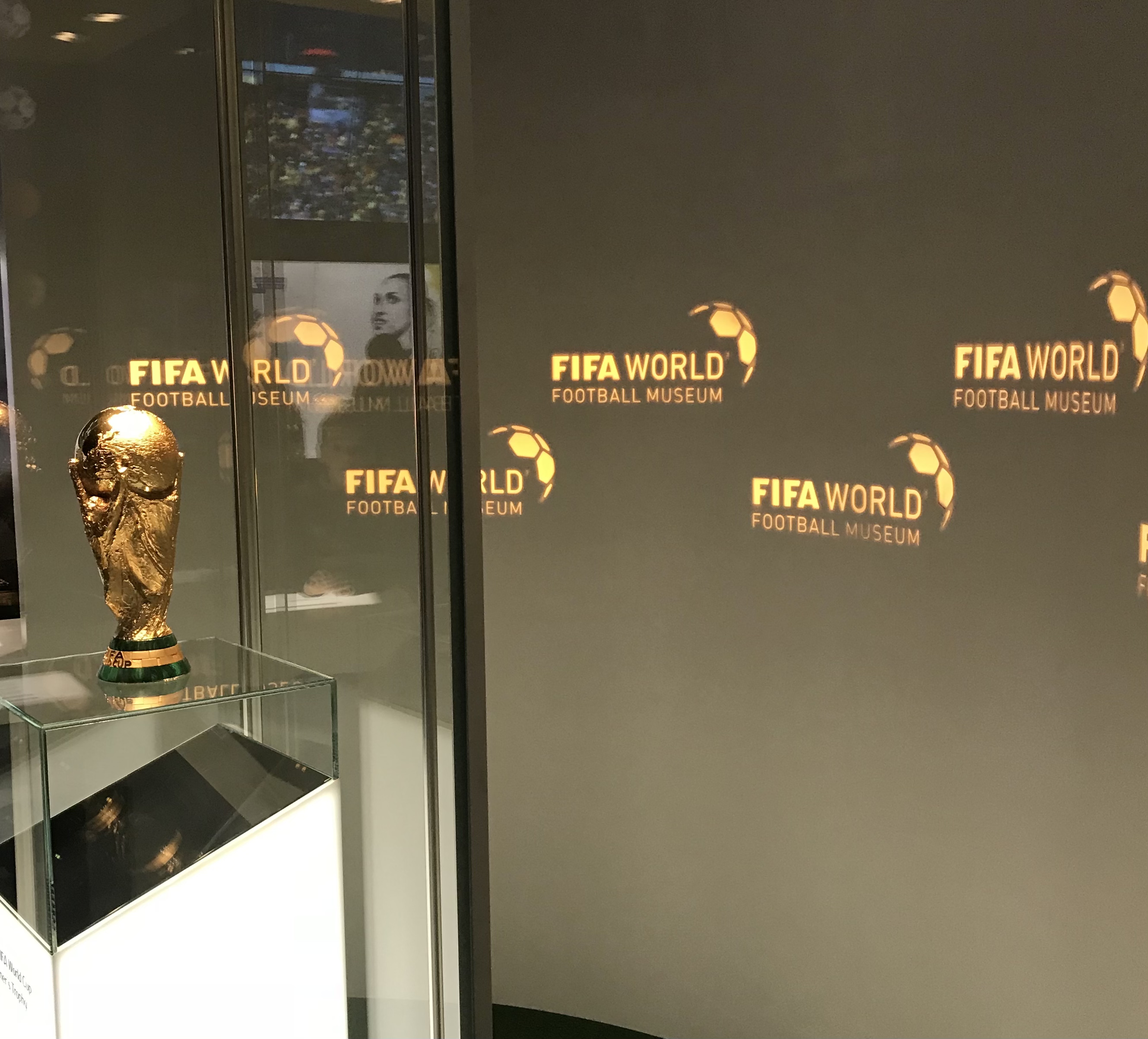
When Argentina lifted the FIFA World Cup Trophy in Lusail Stadium on December 18, 2022, an estimated 1.5 billion people watched. Most of them believed, as most people do, that Lionel Messi was holding a solid gold trophy worth millions of dollars. He was not. He was holding a bronze sculpture covered in a thin layer of 18-carat gold plating — and the distinction has been a carefully maintained piece of football mythology for more than 50 years.
The current trophy, designed by Italian sculptor Silvio Gazzaniga and adopted in 1974, weighs 6.175 kilograms and stands 36.8 centimetres tall. Its structure is a bronze core plated with 18-carat gold (75% gold, 25% alloy). Two bands of malachite ring the base. FIFA has never published the precise gold content, but independent metallurgical estimates place the gold plating at approximately 150–200 grams — less than the weight of a standard smart phone.
At today's gold price of $4,542 per troy ounce (or approximately $146 per gram), 175 grams of gold represents roughly $25,550. The full trophy, if melted and refined, would be worth somewhere between $15,000 and $30,000 in raw materials alone.
The Jules Rimet Trophy: The One That Was Actually Gold
The original World Cup trophy — the Jules Rimet Trophy, named after the FIFA president who conceived the tournament — was a different matter entirely. Designed by French sculptor Abel Lafleur and first awarded in 1930, the Jules Rimet was a genuinely solid gold statuette depicting Nike, the Greek goddess of victory. Its gold content was approximately 1.8 kilograms of pure gold.
In 1930, that 1.8 kg of gold was worth approximately $62 at the then-fixed price of $20.67 per troy ounce. By 1966, when the trophy was stolen from Westminster ahead of the England World Cup, gold was $35 per ounce — making the metal worth roughly $2,031. The thieves who eventually stole it permanently in 1983 received estimated street value of $25,000–$50,000. At today's price of $4,542 per ounce, that same 1.8 kilograms of gold would be worth:
The men who stole the Jules Rimet Trophy in Rio in 1983 reportedly sold the gold for approximately $25,000 in 1983 prices. Had they held on to it for 43 years, the same material would be worth ten times more. This is, in miniature, the story of gold as a long-term store of value.
The Current Trophy: A Valuation Framework
| Component | Material | Weight | Value at $4,542/oz |
|---|---|---|---|
| Gold plating | 18-carat (75% gold) | ~175g | ~$25,550 |
| Bronze core | Bronze alloy | ~5,800g | ~$350 (bronze) |
| Malachite base rings | Malachite stone | ~200g | Negligible |
| Total trophy | Mixed materials | 6,175g | ~$26,000 in materials |
The enormous gap between materials value (~$26,000) and auction value ($1–2 million for replicas, potentially tens of millions for the original) reflects something fundamental about how humans value objects. Gold's investment value comes from its properties as a monetary metal: scarcity, divisibility, portability, and the trust of millennia. A trophy's value comes from its narrative — who held it, when, in what moment of triumph.
What the Winners Actually Receive
FIFA retains the original trophy permanently. The winning nation receives a gold-plated replica, which is theirs to keep. Individual winners — players, coaches, staff — receive a winner's medal, not a gold medal in the Olympic sense. These medals are gold-plated, weigh approximately 50 grams, and contain roughly 6–10 grams of gold. At $4,542 per ounce, the gold content is worth approximately $900–$1,460 per medal.
And yet Pelé's 1970 winner's medal sold at Christie's for $734,000 in 2021. Geoff Hurst's 1966 medal sold for $148,000. The lesson is consistent: the gold price gives you the floor value. History and narrative give you the ceiling. The gap between them is where human meaning lives.
The Gold Price Has Transformed the Trophy's Story
In 1930, when Uruguay lifted the first Jules Rimet Trophy, gold was fixed at $20.67 per troy ounce under the gold standard. The 1.8 kg of gold in that trophy was worth $62. Gold has since risen 22,000% in dollar terms. The trophy itself hasn't changed. What changed is gold's price — and with it, the meaning of what those early winners were holding.
As you watch the 2026 World Cup in the USA, Canada, and Mexico — at a moment when gold has reached $4,542 per ounce, more than double its 2020 price — that bronze-and-gold trophy represents something beyond its materials. It represents the same thing gold has always represented: a human agreement that this thing, whatever it is made of, has value because the world says it does.