GOLDDemoGold Intelligence
HomeWorld Cup 2026 × Gold
World Cup 2026investment

After the Final Whistle: How the World's Richest Footballers Protect Their Fortunes

60% of retired footballers go broke within five years. The ones who don't understand one thing.

📅 Published 30 May 20268 min read✍️ Gold Intelligence Research Team
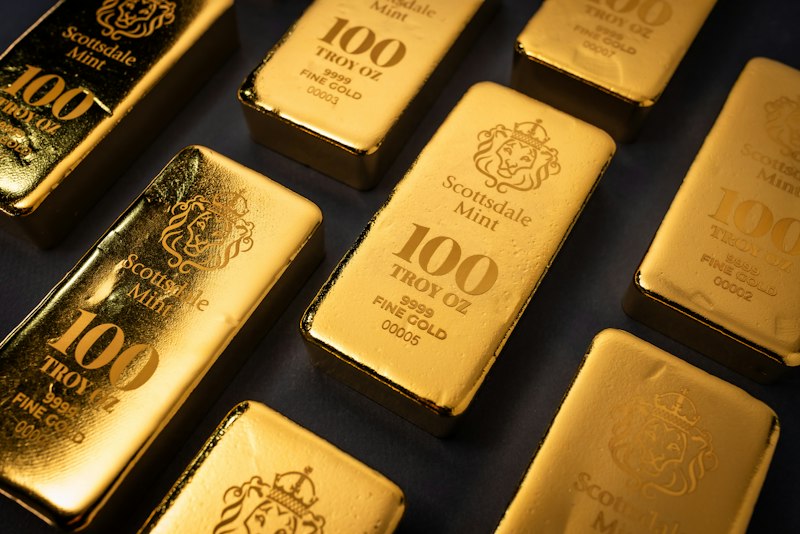
Gold bullion bars in a secure vault — physical allocated gold is a key component of ultra-high-net-worth athlete portfolios
Gold bullion bars in a secure vault — physical allocated gold is a key component of ultra-high-net-worth athlete portfolios Photo by Bullion Vault / Wikimedia Commons / CC BY 2.0
⚠️Research by financial advisers to professional athletes consistently finds that 60–80% of retired footballers face serious financial difficulties within five years of retirement. The ones who preserve their wealth understand one principle the others don't: hard assets hold value when careers end.
35
Avg retirement age
Football careers last 15-18 years
60%+
Go broke
Within 5 years of retirement
50+ years
Post-career
Wealth must last after 35
Gold
The common thread
UHNW athletes hold hard assets

The Footballer's Financial Problem

A top Premier League footballer typically earns £200,000–£500,000 per week during their peak years. Over a 15-year career, this can amount to £150–400 million in gross earnings. Yet financial advisers, union representatives, and player welfare organisations consistently report that a significant majority of elite footballers face financial difficulties within five years of retirement. The money comes fast, then stops. The lifestyle doesn't.

The financial vulnerabilities are well-documented: premature spending on property in depreciating markets, failed business ventures (restaurants, clothing lines, nightclubs), overexposure to volatile investments marketed by unscrupulous advisers, family and social obligations, and — crucially — failure to hedge against currency depreciation. A Brazilian player paid in euros who spends in reais, or an Argentine paid in dollars who holds assets in pesos, faces constant currency erosion that compounds over decades.

Gold's Specific Appeal to Elite Athletes

Gold addresses several specific problems that make it particularly relevant for elite athletes:

ProblemHow gold addresses it
Currency risk (multi-country earning/spending)Gold is denominated in no single currency — it rises against any depreciating currency
Short earnings window (15-18 years)Gold's 50-year average return: ~8%/year. Compounds beyond career length.
Inflation erosion post-retirementGold historically preserves purchasing power over 20+ year horizons
Counterparty risk (bank failures, sovereign default)Physical gold eliminates counterparty risk entirely
Complexity risk (complex investment products)Simple to understand, simple to hold, simple to value

For players from economies with weak currencies or high inflation — Argentina, Brazil, Turkey, Nigeria, Senegal — gold is particularly important. A Nigerian player earning in euros faces a depreciating naira if he intends to retire at home. Gold protects him from that depreciation regardless of which currency he holds his other assets in.

How Elite Athletes Structure Gold Holdings

Ultra-high-net-worth individuals — including elite athletes — typically hold gold through family offices, which are dedicated wealth management structures set up for individuals with £50 million or more in assets. Family offices typically allocate 5–15% of portfolio value to gold, held in a combination of physical allocated bars (stored in segregated vaults in Switzerland, Singapore, or New Zealand), and gold-backed securities for liquidity.

The specific vehicles vary but the principle is consistent: gold held outside the banking system (allocated physical) provides insurance against financial system failures, while gold-backed ETFs or certificates provide the liquidity needed for a family office that also holds equities and real estate.

🔑The most financially resilient retired athletes share a common characteristic: they treated their playing income as a one-time endowment to be deployed into income-generating and wealth-preserving assets — not as recurring income to be spent. Gold is typically part of the wealth-preservation layer, alongside freehold property and government bonds.

The Retirement Timeline: Why Gold's Horizon Matches Football's

A footballer retiring at 35 needs their wealth to last until age 85-95 — a 50-60 year investment horizon. This is longer than most institutional investment horizons and far longer than the typical retail investor's horizon. Over 50+ year periods, gold has consistently outperformed cash and matched or exceeded inflation-adjusted equity returns, with significantly lower maximum drawdown than stocks.

The historical data is instructive: a footballer who retired in 1974 and allocated 10% of their earnings to physical gold would have seen that gold allocation grow at approximately 8% per year for 50 years — turning £100,000 into approximately £4.7 million at today's prices. The career itself was over in 1974. The gold kept working.

Calculate your gold allocation
Use our allocation calculator to see how a 5–15% gold position affects long-term portfolio performance.
Gold Allocation Calculator →
Sources: FIFPro Global Employment Report 2024; Professional Footballers' Association (PFA) financial welfare data; World Gold Council investment research; Bloomberg UHNW wealth management surveys; Bank of America Private Bank 2025 Study of Wealthy Americans.

Frequently Asked Questions

Do footballers invest in gold?+

Many elite footballers and their family offices hold physical gold and gold-backed assets as part of broader wealth preservation strategies. Gold is particularly relevant for footballers from economies with weak currencies or high inflation, as it provides a currency-neutral store of value that maintains purchasing power across multiple countries and career moves.

Why do so many footballers go broke?+

Research by financial advisers to professional athletes finds that 60–80% of elite footballers face serious financial difficulties within five years of retirement. Common causes include: premature spending on depreciating assets, failed business ventures, overexposure to volatile investments, family obligations, and failure to account for currency depreciation and inflation over a 50+ year post-career horizon.

What percentage of wealth should footballers hold in gold?+

Financial advisers to ultra-high-net-worth individuals (including elite athletes) typically recommend a 5–15% allocation to gold and other hard assets for wealth preservation. The specific allocation depends on the individual's currency exposure, inflation outlook, and overall asset mix. Gold serves as insurance against currency devaluation and financial system risk rather than a growth asset.

Was this helpful?
🏅
Gold Intelligence Research Team
World Cup 2026 × Gold Series

Gold Intelligence is an independent financial education platform covering gold markets, central bank data, and global precious metals investment. Our World Cup series examines the intersection of football and gold — two of the world's most universal stores of value.

This article is for informational and educational purposes only. Nothing here constitutes financial advice. Gold price data reflects the international spot market (XAU/USD). Historical figures are approximate. Legal disclaimer →

More from the World Cup 2026 × Gold series

Inside the FIFA World Cup Trophy: How Much Gold Is It Actually Worth?
8 min read
Gold Prices During Every World Cup Since 1974 — A 50-Year Data Story
9 min read
Which World Cup 2026 Nations Hold the Most Gold? All 48 Qualifiers Ranked
7 min read