GOLDDemoGold Intelligence
HomeWorld Cup 2026 × Gold
World Cup 2026country

USA, Canada, Mexico: What Hosting the World Cup Tells Us About Gold in North America

The host nation holds 8,133 tonnes of gold. Another has zero. The third is a top-10 producer.

📅 Published 30 May 20268 min read✍️ Gold Intelligence Research Team
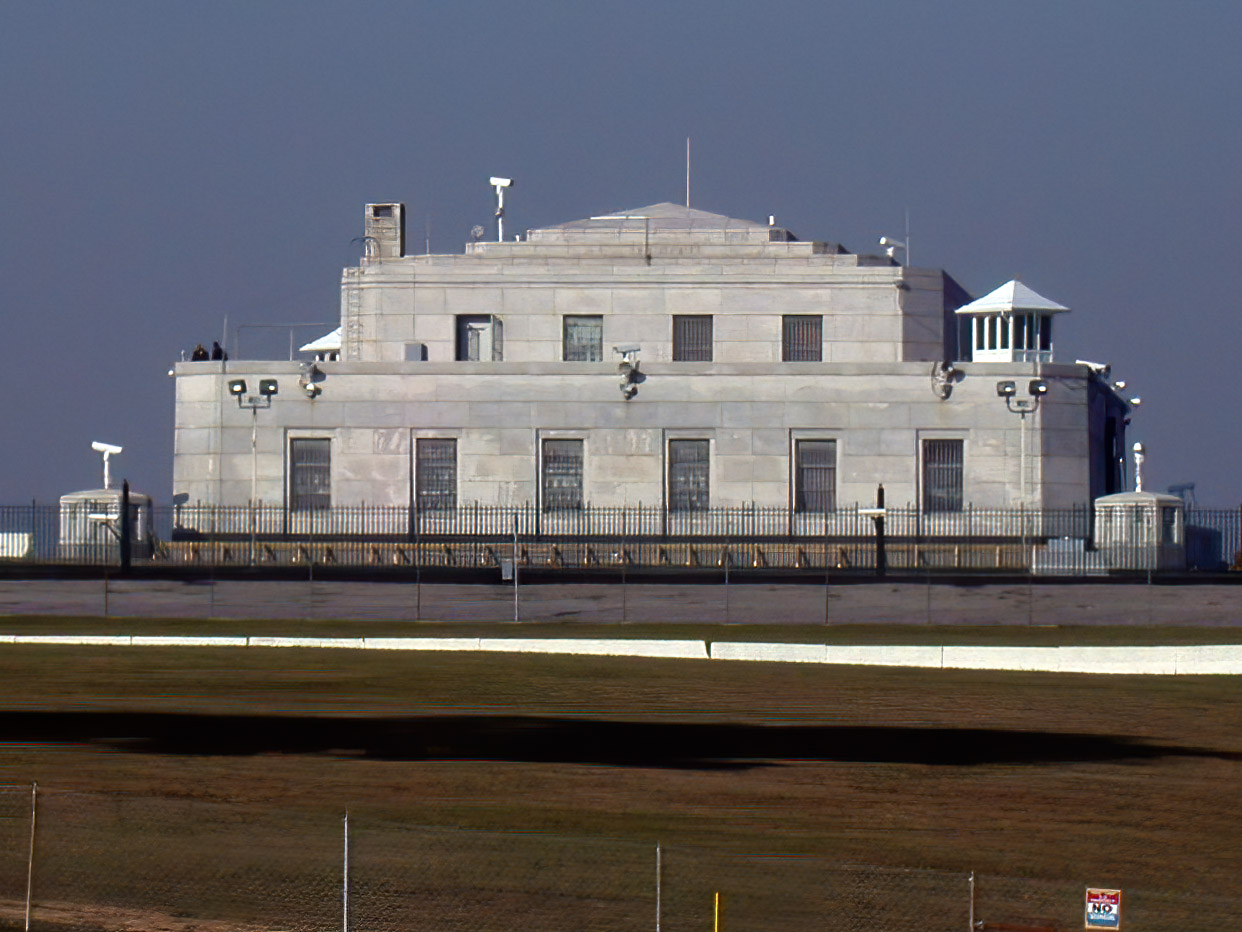
Fort Knox — the United States Bullion Depository in Kentucky holds 4,580 tonnes of gold, part of the USA's total 8,133-tonne reserve
Fort Knox — the United States Bullion Depository in Kentucky holds 4,580 tonnes of gold, part of the USA's total 8,133-tonne reserve US Army photo / Wikimedia Commons / Public Domain
🔑The 2026 World Cup is hosted by three nations whose gold stories couldn't be more different: the country that holds the most gold on Earth (USA), the only G7 nation with zero gold reserves (Canada), and the world's 10th-largest gold producer (Mexico).
8,133t
USA gold reserves
Fort Knox + West Point + NY Fed
0t
Canada official reserves
Sold everything by 2016
120t
Mexico gold reserves
Plus top-10 global producer
$4,542
Gold at kickoff
All-time high at tournament start

The United States: Fort Knox and the World's Largest Gold Hoard

The United States holds 8,133 tonnes of gold — approximately 22% of all official gold held by central banks globally. The reserves are stored across three locations: the United States Bullion Depository at Fort Knox, Kentucky (4,580t); the United States Mint at West Point, New York (1,740t); and the Federal Reserve Bank of New York vault in Lower Manhattan (418t held for the US Treasury, plus approximately 6,000t held in custody for foreign central banks). Additional smaller amounts are held at the Denver and Philadelphia Mints.

Fort Knox, built in 1936, is one of the most secure facilities in the world. It has never been audited by an independent external party — the last official audit was conducted internally in 1953. This has generated periodic conspiracy theories, but the consensus among monetary economists is that the gold exists and is where it is said to be.

The US gold reserve represents 77.5% of total US foreign reserves — an extraordinarily high proportion for a country that has not been on the gold standard since 1971. Most other reserve currencies (euro, yuan, yen) are backed at 3–10% by gold. The US reserve is a legacy of the Bretton Woods era, when the dollar was explicitly backed by gold. Nixon closed the gold window in August 1971 — but the gold remained.

Canada: The Country That Sold Its Gold

Canada's decision to sell all of its gold reserves is one of the most controversial monetary policy decisions of the 21st century. Between 1980 and 2016, Canada systematically liquidated its entire gold holding — approximately 1,000 tonnes at peak — through a programme described by successive Finance Ministers as a “modernisation” of reserve management. The rationale: gold earns no interest, costs money to store, and is illiquid compared to treasury securities.

The timing was unfortunate. Canada sold most of its gold between 2001 and 2014, when gold prices were rising from $250/oz to $1,900/oz. The final bars were sold in early 2016 at approximately $1,200/oz. At today's price of $4,542/oz, Canada's former gold reserves would be worth approximately $145 billion. Canada currently holds $0 in gold.

⚠️Canada's gold sale is the single largest recorded unrealised opportunity cost in central bank history relative to GDP. At $4,542/oz, the gold Canada sold for an average of roughly $500/oz over the liquidation period represents a notional loss of approximately $125 billion — approximately 5% of Canada's 2026 GDP.

Mexico: Producer Without Reserves

Mexico produces approximately 120 tonnes of gold per year — the world's 10th-largest producer — primarily from silver-gold polymetallic mines in Sonora, Chihuahua, Guerrero, and Zacatecas states. Yet its central bank holds only 120 tonnes in official reserves, representing just 3.6% of total foreign reserves.

This disconnect between production and holding is a common pattern in resource-exporting nations: the gold is extracted, sold internationally, and the dollar proceeds are invested in US Treasury securities. The country produces the commodity that the world's central banks are accumulating — and takes the cash instead.

North America's Gold Investment Culture

While Canada holds no official gold reserves, North American retail investors are among the world's most active gold buyers. The SPDR Gold Shares ETF (GLD), listed in New York and predominantly owned by US and Canadian investors, holds approximately 900 tonnes — more than most nation-states. IAU, GLDM, and PHYS add another 600+ tonnes of North American investor demand.

For the 2026 World Cup visitor — whether arriving in New York, Dallas, Los Angeles, Toronto, or Mexico City — gold is highly accessible. US coin shops, online dealers (APMEX, JM Bullion), and gold ETFs are available everywhere. Canada has no official gold but its citizens are among the world's most sophisticated gold ETF investors. Mexico City has a significant physical gold market. The tournament is hosted in three of the world's most gold-literate investment markets.

Country-specific gold guides
Sources: US Treasury Department; Bank of Canada; Banco de México; USGS Mineral Commodity Summaries; World Gold Council official holdings data; IMF IFS.

Frequently Asked Questions

How much gold does the USA hold at Fort Knox?+

The United States Bullion Depository at Fort Knox, Kentucky holds approximately 4,580 tonnes of gold — the largest single gold storage facility in the world. The USA's total gold reserves, spread across Fort Knox, West Point Mint, and the Federal Reserve Bank of New York, total 8,133 tonnes, representing 77.5% of total US foreign reserves.

Why does Canada have no gold reserves?+

Canada sold all of its gold reserves between 2001 and 2016 as part of a deliberate reserve modernisation policy. The government argued that gold earns no interest and is expensive to store compared to yield-bearing securities. Canada became the only G7 nation with zero gold reserves. At today's gold price of $4,542/oz, Canada's former reserves (approximately 600 tonnes at peak) would be worth approximately $88 billion.

Is Mexico a major gold producer?+

Yes. Mexico produces approximately 120 tonnes of gold per year, making it the world's 10th-largest gold producer. Mexico's gold comes primarily from silver-gold polymetallic mines in Sonora, Chihuahua, and Zacatecas states. The Banco de México holds approximately 120 tonnes in official reserves, representing 3.6% of total foreign reserves.

Was this helpful?
🏅
Gold Intelligence Research Team
World Cup 2026 × Gold Series

Gold Intelligence is an independent financial education platform covering gold markets, central bank data, and global precious metals investment. Our World Cup series examines the intersection of football and gold — two of the world's most universal stores of value.

This article is for informational and educational purposes only. Nothing here constitutes financial advice. Gold price data reflects the international spot market (XAU/USD). Historical figures are approximate. Legal disclaimer →

More from the World Cup 2026 × Gold series

Inside the FIFA World Cup Trophy: How Much Gold Is It Actually Worth?
8 min read
Gold Prices During Every World Cup Since 1974 — A 50-Year Data Story
9 min read
Which World Cup 2026 Nations Hold the Most Gold? All 48 Qualifiers Ranked
7 min read